Chiswick High Road removals guide for tight access
Moving on or near Chiswick High Road can look straightforward on a map and then turn into a bit of a puzzle once you're standing outside with a sofa, a trolley, and nowhere obvious to stop. That's exactly why this Chiswick High Road removals guide for tight access matters. The road is busy, parking can be awkward, and many homes and flats nearby have narrow hallways, shared entrances, basement staircases, or limited lift space. None of that means the move is impossible. It just means the plan needs to be sharper.
In practice, tight access removals are about reducing friction before it starts: choosing the right vehicle, timing the move well, protecting the property, and knowing when a smaller team or split load will work better than a full-size van. If you are moving a flat, a family home, or even a small office nearby, the right preparation can save you stress, time, and those slightly grim moments when a wardrobe gets stuck halfway through a doorway. Let's face it, nobody wants that on moving day.
This guide walks through the real-world issues that come up on Chiswick High Road and the surrounding streets, plus the methods professionals use to keep a move calm and under control. If you need broader support, pages such as removals, man with van, and flat removals can help you match the service to the access conditions.
Table of Contents
- Why Chiswick High Road removals guide for tight access Matters
- How Chiswick High Road removals guide for tight access Works
- Key Benefits and Practical Advantages
- Who This Is For and When It Makes Sense
- Step-by-Step Guidance
- Expert Tips for Better Results
- Common Mistakes to Avoid
- Tools, Resources and Recommendations
- Law, Compliance, Standards, or Best Practice
- Options, Methods, or Comparison Table
- Case Study or Real-World Example
- Practical Checklist
- Conclusion
- Frequently Asked Questions
Why Chiswick High Road removals guide for tight access Matters
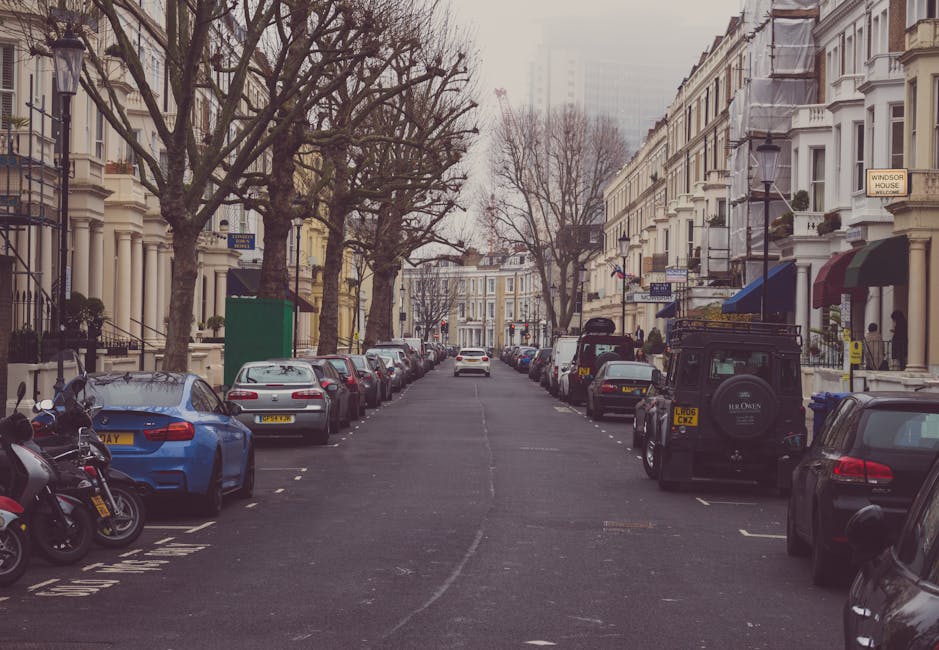
Chiswick High Road has the kind of movement and mixed property stock that makes removals tricky in small but important ways. You may be dealing with limited kerb space, busy traffic, shoppers on the pavement, rear service access that is not quite as easy as promised, or a front entrance shared with neighbours. One small access issue can create a chain reaction: longer carrying distances, more risks to walls and banisters, slower loading, and increased chance of delays.
That matters for two reasons. First, moving time is money. Second, tight access multiplies the chance of damage or frustration if the plan is too optimistic. A standard van parked too far away can add a surprising amount of walking, and if the route from property to vehicle involves steps, sharp corners, or a steep stairwell, the moving team may need more hands or different equipment.
For many people, this is the difference between an ordinary move and a stressful one. In our experience, the moves that go smoothly are rarely the ones with the biggest vehicle. They are the ones where the access was checked properly, the right vehicle was chosen, and the crew knew exactly what to expect before arrival.
Practical takeaway: tight access is not just a parking issue. It affects planning, timings, safety, staffing, and even the way items are wrapped and carried.
If you are comparing service types, it can help to look at removal van and removal truck hire options side by side. Sometimes the smaller, more flexible choice is the smarter one, even if it feels less ambitious at first glance.
How Chiswick High Road removals guide for tight access Works
The basic idea is simple: assess the route, match the vehicle to the space, and reduce every avoidable obstacle before move day. In a tight-access setting, the removal team is not only carrying boxes. They are solving a logistics problem.
A good process usually starts with an access check. That can include the width of the road, the position of loading bays, whether the property has a lift, how wide the staircase is, and how many turns there are between the entrance and the van. It also includes softer details, like whether the pavement tends to be busy at school run time or whether bins, bikes, and planters might block the entrance.
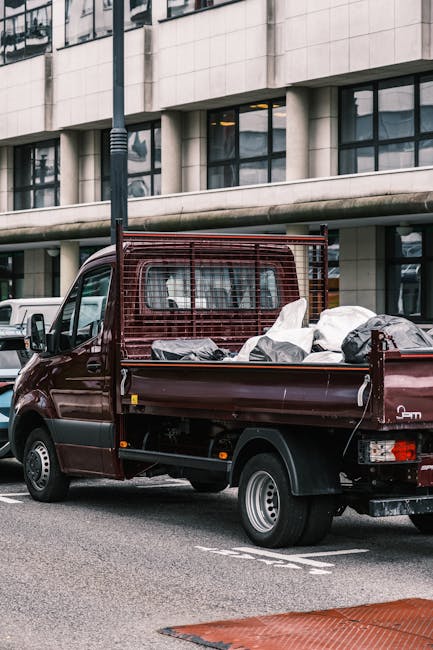
Next comes the move design. This is where the team decides whether a smaller man and van setup is enough, or whether a larger vehicle and more crew are needed. On tight streets, a smaller vehicle can sometimes be the better fit because it is easier to position and easier to leave quickly. That said, if the load is large or the building access is awkward, a bigger vehicle or a planned shuttle approach may still be the safer option.
The last part is execution. Items are packed so they can be carried efficiently, fragile pieces are protected, and the load order is arranged to minimise back-and-forth movement. If your move involves a lot of furniture or awkward items, supporting services such as packing and boxes and furniture removals can make a real difference. It sounds simple, but it saves a lot of wobbling on stairwells.
Key Benefits and Practical Advantages
When tight access is planned properly, the benefits show up fast. You usually get a quicker load-out, fewer damaged edges and corners, less stress for everyone involved, and a lower chance of last-minute changes. The move feels more controlled. Not glamorous, maybe, but definitely better.
- Less delay: accurate planning reduces time spent hunting for parking or adjusting the route on the day.
- Better protection: narrow hallways and staircases are easier to manage when furniture is wrapped and carried in the right order.
- Fewer surprises: access issues are identified early rather than discovered with a van full of belongings waiting outside.
- Improved safety: clear lifting routes and suitable equipment reduce strain and accidents.
- More accurate quotes: the team can price the job more fairly when the access conditions are known in advance.
There is also a psychological benefit, which people sometimes overlook. A move that feels organised is easier to live through. You are not constantly wondering whether the wardrobe will fit or whether the driver can park without causing a scene. Truth be told, that kind of peace of mind is worth quite a lot.
If you are weighing up different service levels, removal services can be a useful starting point, especially if you want support that is adapted to your property rather than a one-size-fits-all approach.
Who This Is For and When It Makes Sense
This guide is especially relevant if you live or work in a property where space is tight and parking is not forgiving. That includes many flats above shops, maisonettes, older townhouses, basement homes, and offices with limited loading access.
It is a good fit for:
- Flat moves with stairs, narrow corridors, or small lifts
- House moves where the road space is limited or blocked by traffic
- Students moving into or out of compact accommodation
- Office relocations with restricted loading times
- Anyone moving bulky furniture through tight internal routes
It also makes sense if you are moving at a time when the area is particularly active. Early mornings can be calmer in some parts of west London, while later in the day traffic may build up and turn a straightforward job into a stop-start affair. A small delay in the wrong place can ripple through the whole move.
For smaller household moves, a service such as home moves or student removals may be more practical than booking a larger vehicle. If you are moving an office, look at office removals or office relocation services depending on how much coordination you need.
Step-by-Step Guidance
Here is the process that tends to work best when access is tight. It is not fancy. It is just solid.
- Measure the route. Check door widths, stair turns, lift size, ceiling height on landings, and any obstacles between the property and the vehicle. If possible, measure the largest item too, not just the average box.
- Assess parking and stopping options. Consider where the van can safely wait, how close it can realistically get, and whether there are restrictions at your chosen time. A five-minute carry can become a twenty-minute carry very quickly.
- Sort items by difficulty. Large wardrobes, beds, sofas, pianos, and white goods should be identified early. These are often the items that decide what vehicle and crew size you need.
- Choose the right service. If the job is small and access is tight, a man with van arrangement can be efficient. If the move is heavier or more complex, a larger team or vehicle may be the better fit.
- Pack for carrying, not just storage. Boxes should be manageable, sealed properly, and labelled clearly. Heavy items in small boxes are easier to handle than one heroic giant box that nobody thanks you for later.
- Protect the property. Door frames, bannisters, lifts, and flooring should be protected where needed. Good movers will think about this before the first item comes out.
- Confirm the move plan the day before. Recheck times, addresses, access codes, and contact numbers. A simple confirmation call can save a lot of awkwardness.
- Keep essentials separate. Documents, chargers, medicines, keys, and valuables should travel with you. Once they are packed away, they have a habit of becoming mysteriously important.
If storage is part of the plan, perhaps because completion dates do not line up neatly, consider storage. That can take pressure off tight-access moves where space inside the property is limited and everything needs to happen in stages.
Expert Tips for Better Results
The following tips come from the kind of details that matter on a real moving day, not just in theory.
- Choose a smaller vehicle if the street is unforgiving. A compact van that can position close to the entrance often beats a larger vehicle that creates more carrying distance.
- Split the load if needed. For some homes, two smaller trips are easier than one huge one. It can sound less efficient, but it often works better.
- Label by room and priority. That helps the unloading team get the essentials into the right place quickly, especially where internal access is awkward.
- Use proper wrapping for furniture edges. Tight spaces are unforgiving. Corners, handles, and mirror edges get knocked if they are left exposed.
- Tell the movers about the awkward bits. Do not wait until arrival to mention the basement stairs, the narrow bend, or the lift that is "a bit temperamental".
- Plan for neighbours and shared areas. Keep communal entrances clear and avoid blocking access longer than needed.
A small aside: the most useful information is often the boring information. The step count. The door that sticks. The van that has to reverse in awkwardly. That is the stuff that matters.
For heavier furniture, or if you have a few pieces to remove separately, furniture removals and furniture pick up can be helpful options to consider.
Common Mistakes to Avoid
Most problems with tight-access removals come from optimism. Fair enough, everyone wants the move to be easy. But the street, the stairs, and the sofa do not care about optimism.
- Not checking the access route in detail. A quick look from the pavement is not enough if the building has multiple turns or narrow landings.
- Booking a vehicle that is too large. Bigger is not always better on a restricted road.
- Overpacking boxes. Heavy boxes are hard to carry safely through awkward spaces.
- Leaving parking until the last minute. If your plan depends on a specific stopping point, sort that out early.
- Forgetting about building rules. Some flats and offices have time restrictions, lift bookings, or loading procedures that need to be respected.
- Not separating fragile or essential items. That usually creates panic, and nobody enjoys searching for the kettle at 9pm after a long day.
Another common one is assuming all removal teams are equally prepared for difficult access. They are not. The best ones ask better questions before the move, which might feel slightly persistent at the time, but it usually pays off.
Tools, Resources and Recommendations
You do not need a complicated toolkit, but a few practical items make tight access much easier to manage.
- Measuring tape: useful for doorways, lifts, and furniture dimensions.
- Furniture blankets and wraps: reduce damage during tight turns and stair carries.
- Strong tape and labels: make boxes easier to identify quickly.
- Gloves and suitable footwear: simple, but they matter when carrying on stairs or wet pavements.
- Floor protection: especially important in shared entrances and new-build corridors.
- Box cutters and basic tools: handy for dismantling items that will not fit safely in one piece.
On the planning side, it helps to have a clear move list and a realistic time window. If you are still deciding which level of service suits the job, removal companies can be compared against more flexible, smaller-scale options such as removal van support or a man with a van setup. The best choice depends on the volume, not just the address.
And if your move involves delicate instruments, you will want specialist handling. A piano is not something you just squeeze through a hall and hope for the best. For that, piano removals are worth considering.
Law, Compliance, Standards, or Best Practice
Tight-access removals in London should be handled with care around road use, loading, property protection, and safe lifting. While every move is different, good practice usually includes respecting parking and stopping restrictions, avoiding obstruction, and making sure the crew can carry items safely without unnecessary risk to themselves or the property.
It is also sensible to use a provider that takes insurance and safety seriously. Accidents are rare when the job is properly planned, but they can happen, especially in cramped stairwells or where heavy items need to turn sharply. That is why it is wise to review a company's insurance and safety information and understand its health and safety policy before booking.
Good movers also work within clear service terms. Read the terms and conditions carefully so you know what is included, what preparation is expected from you, and how timing or access issues are handled. If you are comparing prices, the page on pricing and quotes is a sensible place to start, particularly if the access is likely to affect the job length or vehicle choice.
On sustainability, it is also worth asking how packing waste, old furniture, and unwanted items are handled. A responsible approach to reuse and disposal is better for everyone. If that matters to you, the site's recycling and sustainability information is useful background.
Options, Methods, or Comparison Table
Different access problems call for different approaches. The right one depends on the size of the load, the route to the property, and how much time you have.
| Approach | Best for | Strengths | Limitations |
|---|---|---|---|
| Man and van | Small to medium moves with restricted street access | Flexible, easier to park, often efficient for short urban moves | May need multiple trips for larger loads |
| Removal van | Compact household or furniture moves | Good balance of space and manoeuvrability | Not ideal for large family homes with lots of furniture |
| Removal truck hire | Larger moves with better access nearby | Greater capacity, fewer trips | Can be awkward on very narrow or busy streets |
| Full removals team | Heavier or more complex moves | More hands, better for stairs and bulky items | Usually more coordination needed |
There is no perfect answer for every Chiswick High Road move. Sometimes the smartest route is to use a smaller van and a well-organised carry. Other times, a larger team is more efficient because the internal access is the real challenge, not the road itself. The trick is to match the method to the property, not the other way around.
Case Study or Real-World Example
Here is a realistic example. A couple move out of a second-floor flat just off Chiswick High Road. The building has a narrow internal staircase, shared entrance, and very limited stopping space on the road. Their first instinct is to book the largest vehicle they can find, thinking one big load will be faster.
After a proper access review, they change the plan. The movers recommend a smaller vehicle that can stop closer to the entrance, with items pre-packed into manageable boxes and larger furniture partially dismantled. The sofa is wrapped, the bed frame is taken apart, and the route from the flat to the van is cleared before loading starts.
The result? Less time spent wrestling around corners, no damage to the wall paint in the stairwell, and a calmer day overall. Not a miracle, just a better plan. The couple still got tired, of course. Moving is moving. But they avoided the kind of unnecessary chaos that turns a normal relocation into a story you tell for all the wrong reasons.
This is where packing and unpacking services can really help. If your schedule is tight or the building access is fiddly, having the packing done properly often saves more time than people expect.
Practical Checklist
Use this before moving day. It is the unglamorous part, but it works.
- Measure doorways, stair turns, and lift dimensions
- Check whether the vehicle can stop close enough to the property
- Confirm parking or loading restrictions for your move time
- Tell the movers about steps, shared entrances, and awkward corners
- Separate fragile, essential, and high-value items
- Disassemble furniture that will not fit safely in one piece
- Use sturdy boxes and avoid overfilling them
- Protect floors, bannisters, and door frames where needed
- Keep access codes, keys, and contact numbers handy
- Double-check the plan the day before the move
That may seem like a lot, but once it is done, the actual move gets much simpler. Which is the whole point, really.
Conclusion
A successful Chiswick High Road move is rarely about brute force. It is about sensible planning, the right vehicle, a realistic view of access, and a moving team that knows how to adapt when the street or staircase is less than generous. Tight access does not need to be a drama. It just needs respect.
If you are still deciding on the best setup, start with the access, then the load, then the service type. That order matters more than most people realise. A well-matched move feels quieter, safer, and far less rushed. And honestly, after a day like that, quiet is lovely.
Get a free quote today and see how much you can save.
For tailored support, you may also want to review about us, check the company's health and safety policy, or look at contact us when you are ready to talk through the details. A little clarity upfront goes a long way, and it can make the day feel much lighter.
Frequently Asked Questions
What does tight access mean for a Chiswick High Road removal?
Tight access usually means the van cannot park right outside for long, the carrying route is narrow, or the property has awkward stairs, lifts, or entrances. In Chiswick High Road areas, that often means planning is just as important as the lift itself.
Is a man and van suitable for tight access moves?
Often, yes. A smaller vehicle can be easier to position on busy or narrow streets. The key is making sure the load size, furniture type, and access route all suit that setup. Sometimes a bigger team is needed inside the property, even if the road access is tight.
Should I book a larger vehicle to save time?
Not always. A larger vehicle can increase carrying distance if it cannot stop close enough. For tight access, manoeuvrability can matter more than capacity. It is usually better to choose the vehicle that fits the street and the building, not the one with the biggest load space.
How do I prepare a flat with narrow stairs?
Measure the widest furniture first, then plan what needs dismantling. Pack smaller boxes, clear the hallway, and protect corners and banisters. If the staircase is especially narrow, tell the movers before moving day so they can plan the carry properly.
What should I tell the removal company before booking?
Share the exact property type, number of floors, lift access, parking situation, and any known obstacles such as steep steps or shared entrances. The more honest the description, the better the quote and the smoother the move. No one enjoys unpleasant surprises at the kerb.
Can removals be done on a busy road like Chiswick High Road?
Yes, but timing and vehicle choice matter a great deal. Early planning, careful loading, and a realistic stopping strategy help reduce disruption. Sometimes the move is done in a shorter loading window or with a smaller van to keep things moving.
What if my furniture will not fit through the doorway?
That is common enough. In many cases, the item can be dismantled, wrapped differently, or moved at an angle with more hands. If it still will not fit safely, storage or specialist handling may be needed. It is better to discover that early than on the stairs.
Do I need packing help for a tight access move?
If the move includes many fragile items or awkward furniture, packing support can be worthwhile. Smaller, well-packed boxes are easier to carry through narrow spaces. Services like packing and boxes or packing and unpacking can reduce stress and speed up the day.
How can I avoid damage to walls and floors?
Use protective wraps, blankets, and floor covering where needed, and keep the carrying route clear. Good movers will plan for corners, bannisters, and shared areas before lifting anything heavy. That little bit of preparation usually pays off.
What if I need temporary storage during the move?
Storage is a useful option if your moving dates do not line up or if the property has limited space. It can make a tight-access move much easier because you can split the job into stages rather than forcing everything through at once.
How far in advance should I arrange a tight access move?
As early as you can, especially if parking is limited or the property is on a busy stretch. Early booking gives time to assess access properly, choose the right vehicle, and sort any packing or dismantling work. A rushed plan can still work, but it is never ideal.
What is the best option for a small flat move near Chiswick High Road?
For many small flat moves, a flexible smaller vehicle with careful planning is enough. If stairs are steep, the hallway is tight, or furniture is bulky, you may need a fuller removals service. The best option depends on the property, not just the postcode.